Unlocking Nature's Bounty: A Comprehensive Guide on Organic Fertilizers
Our Product Insight
Organic fertilizers are becoming increasingly popular among gardeners and farmers alike, and for good reason! These natural alternatives to synthetic fertilizers not only nourish your plants but also promote a healthier ecosystem. Organic fertilizers are derived from natural sources such as plant matter, animal waste, and minerals, making them a sustainable choice for enhancing soil fertility.In this guide, we’ll explore the various types of organic fertilizers, their benefits, and how they can transform your gardening experience. Whether you’re a seasoned gardener or just starting out, understanding organic fertilizers can help you cultivate a thriving garden.
Key Features
When considering organic fertilizers, it’s essential to understand their key features:- Nutrient-Rich Composition: Organic fertilizers are packed with essential nutrients like nitrogen, phosphorus, and potassium, which are crucial for plant growth. They also contain micronutrients that support overall plant health.
- Soil Health Improvement: Unlike synthetic fertilizers that can deplete soil quality over time, organic fertilizers enhance soil structure and promote beneficial microbial activity. This leads to healthier soil and, ultimately, healthier plants.
- Slow Release of Nutrients: Organic fertilizers release nutrients gradually, providing a steady supply that plants can absorb over time. This slow-release mechanism helps prevent nutrient runoff and reduces the risk of over-fertilization.
- Environmental Benefits: By using organic fertilizers, you contribute to a more sustainable gardening practice. They reduce chemical runoff into waterways and promote biodiversity in your garden.
Who It's For
Organic fertilizers are suitable for a wide range of users:- Home Gardeners: If you’re growing vegetables, flowers, or herbs in your backyard, organic fertilizers can help you achieve a lush and productive garden without the use of harsh chemicals.
- Organic Farmers: For those committed to organic farming practices, these fertilizers are essential for maintaining soil health and producing high-quality crops.
- Eco-Conscious Individuals: If you’re passionate about sustainability and environmental stewardship, choosing organic fertilizers aligns with your values and helps protect the planet.
Pros and Potential Considerations
While organic fertilizers offer numerous benefits, it’s important to consider both the pros and potential challenges:Pros:
- Healthier Plants: The natural nutrients in organic fertilizers promote robust plant growth and resilience against pests and diseases.
- Sustainable Practices: Using organic fertilizers supports sustainable agriculture and gardening practices, contributing to a healthier ecosystem.
- Safety for Pets and Children: Organic fertilizers are generally safer for pets and children compared to synthetic options, reducing the risk of chemical exposure.
Potential Considerations:
- Nutrient Availability: Organic fertilizers may take longer to break down and release nutrients compared to synthetic fertilizers. This means you might need to plan ahead for your plants’ nutrient needs.
- Cost and Availability: Depending on your location, organic fertilizers may be less readily available than synthetic options, and they can sometimes be more expensive. It’s always a good idea to check current price and availability in your area.
In summary, organic fertilizers are a fantastic way to nurture your plants while being kind to the environment. With their nutrient-rich composition, ability to improve soil health, and gradual nutrient release, they offer a sustainable alternative to synthetic fertilizers. Whether you’re a home gardener or a dedicated farmer, incorporating organic fertilizers into your gardening routine can lead to healthier plants and a more vibrant garden. So, why not give them a try and see the difference they can make in your green space? Happy gardening!
More Products You Might Like

Garden Hose Pipe Reel Renforced PVC Anti Kink Outdoor Hosepi
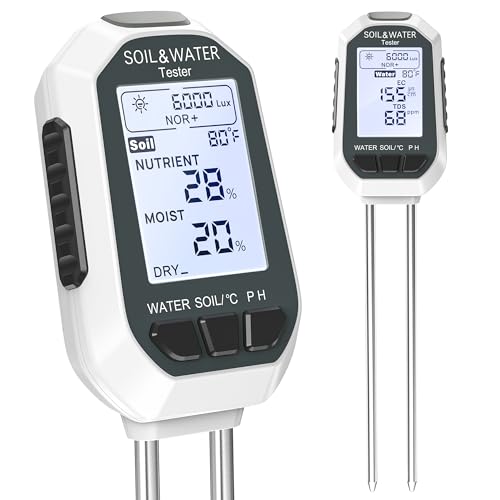
YAMRON Soil Moisture Meter, 7-in-1 Digital Plant Water&Soil
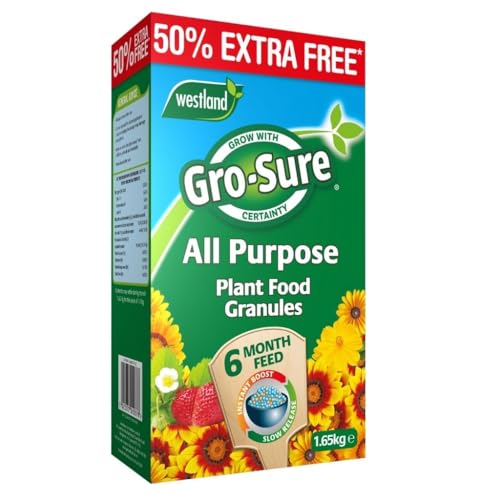
Gro-Sure All Purpose Slow Release Plant Food Dual Action Gra

Juvale 4-Pack Artificial Grass Mat Squares, 30.5 x 30.5 cm F

sackmaker Outdoor Planter Bag (46L) - For Vegetables, Fruit,
Disclaimer: This article has been generated through our AI content insight system and is intended for general informational purposes only. Please carry out your own research and review product details directly before making any purchase decisions.